magic mushroom , treatment for depression and anxiety
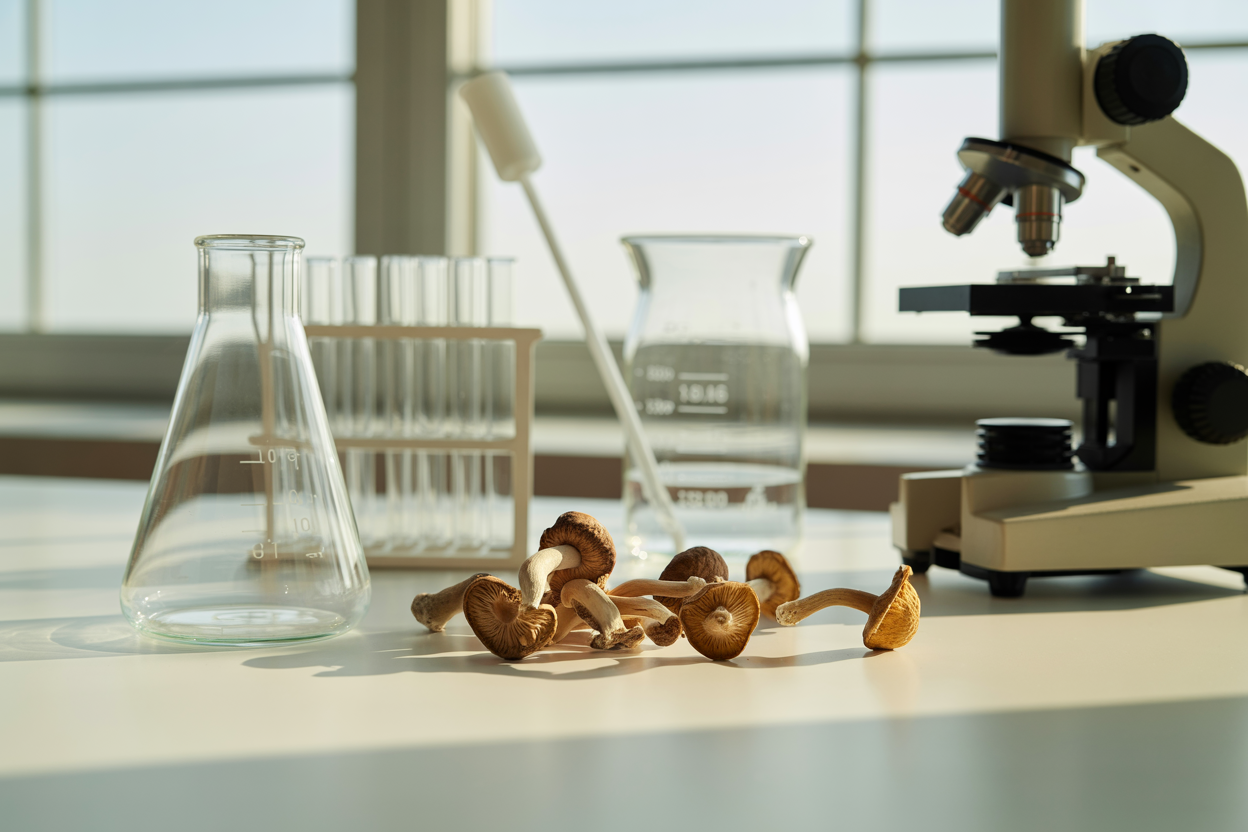
Magic mushroom treatment for depression and anxiety is gaining serious attention from researchers, patients, and mental health professionals worldwide. Psilocybin, the active compound in these mushrooms, shows remarkable promise in clinical trials for treating severe depression and anxiety disorders that don’t respond to traditional medications.
This guide is for people struggling with treatment-resistant depression or anxiety, their loved ones, and anyone curious about psychedelic-assisted therapy as a legitimate medical option. We’ll explore the science behind how psilocybin works in your brain, examine real clinical evidence from major studies, and break down what actual treatment looks like in professional settings.
You’ll also learn about safety protocols, potential side effects, and the current legal landscape that’s rapidly changing as more states and countries embrace psychedelic medicine. Whether you’re considering this treatment or just want to understand the breakthrough research, we’ll cover everything you need to know about this emerging therapy.
Understanding Psilocybin’s Therapeutic Properties
Active compounds in magic mushrooms that affect brain chemistry
Psilocybin mushrooms contain several psychoactive compounds, with psilocybin being the primary therapeutic agent. When consumed, psilocybin quickly converts to psilocin through dephosphorylation, which then crosses the blood-brain barrier and produces the actual psychoactive effects. This conversion happens rapidly in the digestive system, typically within 15-30 minutes of ingestion.
The concentration of psilocybin varies significantly across different mushroom species. Psilocybe cubensis, one of the most commonly studied varieties, contains approximately 0.5-1.3% psilocybin by dry weight. Other compounds present in smaller amounts include baeocystin and norbaeocystin, which may contribute to the overall therapeutic profile through what researchers call the “entourage effect.”
Psilocin’s molecular structure closely resembles serotonin, allowing it to bind effectively to serotonin receptors throughout the brain. This structural similarity enables psilocin to mimic serotonin’s function while producing distinct neurochemical changes that traditional antidepressants cannot achieve.
Mechanism of action in treating depression and anxiety
Psilocybin works through multiple pathways that differ dramatically from conventional psychiatric medications. Rather than simply adjusting neurotransmitter levels like SSRIs, psilocybin creates profound changes in brain connectivity patterns and neural network communication.
The compound primarily targets the default mode network (DMN), a brain network associated with self-referential thinking, rumination, and the sense of self. In depression and anxiety, the DMN often becomes hyperactive, leading to excessive worry, negative self-talk, and persistent anxious thoughts. Psilocybin temporarily disrupts this network’s activity, allowing new neural pathways to form and breaking established patterns of negative thinking.
Brain imaging studies show that psilocybin increases connectivity between brain regions that don’t normally communicate extensively. This enhanced cross-network communication appears to create lasting changes in how the brain processes emotional information and responds to stress. Many patients report shifts in perspective that persist long after the acute effects wear off.
How psilocybin interacts with serotonin receptors
Psilocin primarily activates the 5-HT2A receptor, a specific type of serotonin receptor found abundantly in the prefrontal cortex. This activation triggers a cascade of cellular events that increase the production of brain-derived neurotrophic factor (BDNF), a protein essential for neuron growth and survival.
The 5-HT2A receptor activation also influences other neurotransmitter systems, including dopamine and glutamate pathways. This multi-system impact helps explain why psilocybin can address multiple symptoms simultaneously – from depressed mood to anxiety and cognitive rigidity.
Unlike traditional antidepressants that block serotonin reuptake, psilocybin acts as a partial agonist at these receptors. This means it can both activate and modulate receptor activity, creating a more nuanced and dynamic effect on brain chemistry. The result is often described as a “reset” of neural circuits rather than simply masking symptoms.
Neuroplasticity benefits for mental health recovery
Psilocybin dramatically enhances neuroplasticity – the brain’s ability to form new neural connections and reorganize existing ones. This increased plasticity appears to be one of the key mechanisms behind the compound’s lasting therapeutic effects.
Research shows that psilocybin increases dendritic spine density and promotes the growth of new dendrites – the branch-like extensions of neurons that facilitate communication between brain cells. These structural changes can persist for weeks or months after a single treatment session, helping to explain why some patients experience sustained improvements from just one or two guided sessions.
The compound also appears to promote neurogenesis – the formation of new neurons – particularly in the hippocampus, a brain region crucial for learning, memory, and emotional regulation. This neurogenic effect may help repair damage caused by chronic stress and depression while creating new pathways for healthier thought patterns and emotional responses.
Scientific Evidence Supporting Depression Treatment
Clinical Trial Results Showing Significant Symptom Reduction
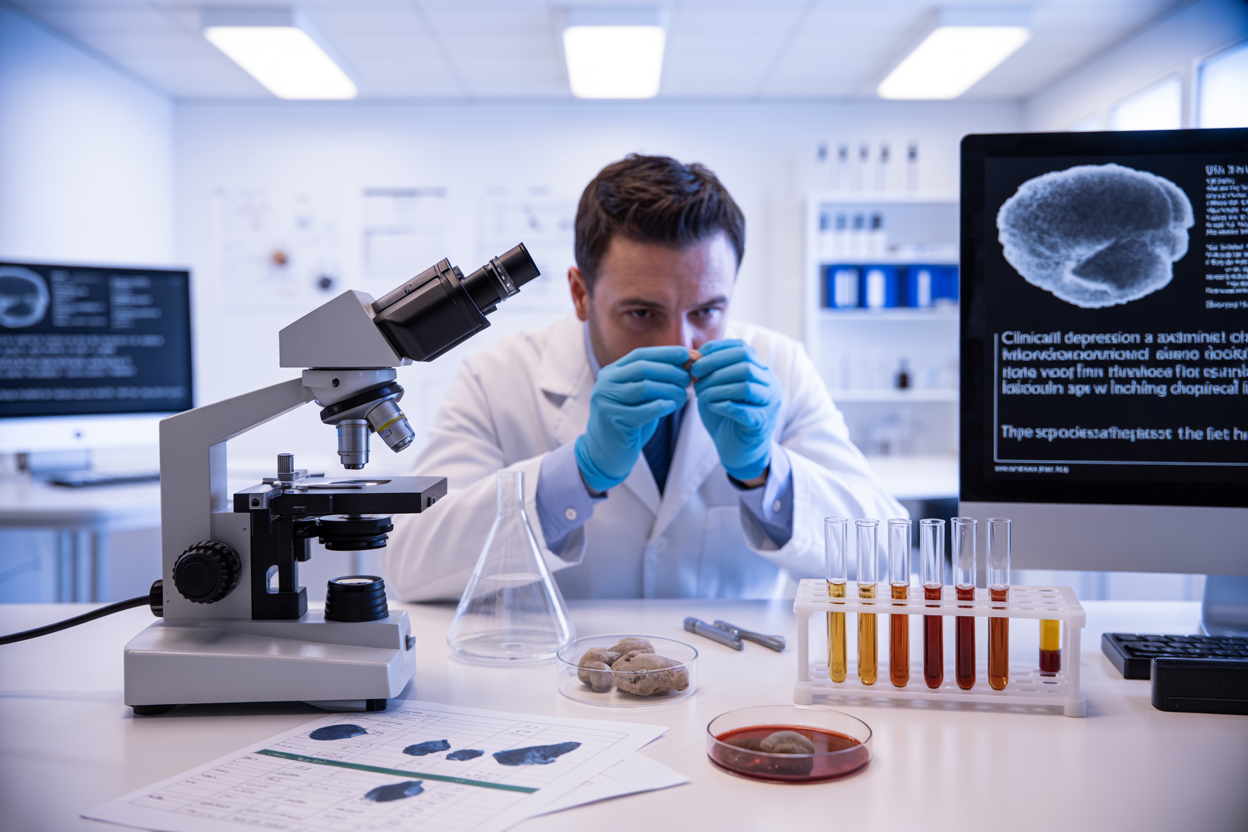
Recent clinical trials have produced remarkable results for psilocybin-assisted therapy in treating depression. The COMPASS-1 trial, conducted by COMPASS Pathways, demonstrated that 25mg of synthetic psilocybin reduced depression scores by an average of 12 points on the MADRS scale within three weeks. Participants who received the treatment showed a response rate of 37% compared to just 17% in the placebo group.
Johns Hopkins researchers found even more impressive outcomes in their studies. Their trial with 24 participants showed that 71% experienced at least a 50% reduction in depression symptoms, with 54% achieving full remission. These results persisted at the four-week follow-up, indicating sustained therapeutic benefits beyond the immediate treatment period.
The COMPASS-2 trial expanded these findings with 233 participants across multiple sites. Results showed that both 10mg and 25mg doses of psilocybin produced statistically significant reductions in depression severity compared to placebo. The higher dose group experienced the most dramatic improvements, with many participants reporting life-changing shifts in perspective and mood.
Comparison of Effectiveness Versus Traditional Antidepressants
Psilocybin therapy shows several advantages over conventional antidepressants in head-to-head comparisons. While SSRIs typically require 6-8 weeks to show full effects, psilocybin can produce meaningful improvements within days of a single session. Traditional medications also carry a 30-50% non-response rate, whereas psilocybin studies consistently show response rates exceeding 60%.
| Treatment Approach | Response Rate | Time to Effect | Side Effects |
|---|---|---|---|
| SSRIs | 30-50% | 6-8 weeks | Sexual dysfunction, weight gain, emotional blunting |
| Psilocybin | 60-80% | 1-7 days | Temporary nausea, psychological discomfort during session |
| SNRIs | 35-55% | 4-6 weeks | Similar to SSRIs plus potential blood pressure changes |
The Imperial College London study directly compared psilocybin to escitalopram in 59 participants with moderate-to-severe depression. While both treatments reduced depression scores, psilocybin showed superior outcomes on secondary measures including psychological flexibility and emotional processing.
Long-term Benefits Observed in Research Studies
Follow-up studies reveal that psilocybin’s therapeutic effects can last months or even years after treatment. The Johns Hopkins team tracked participants for up to 12 months and found that 75% maintained their therapeutic gains. Many reported sustained improvements in life satisfaction, emotional regulation, and overall psychological well-being.
NYU’s landmark study on cancer patients with anxiety and depression found that 80% of participants maintained clinically significant improvements six months post-treatment. At the 4.5-year follow-up, 71% still attributed positive life changes to their psilocybin experience, describing lasting shifts in their relationship with mortality and meaning.
Research from Imperial College London tracked neural changes using brain imaging and found that psilocybin increases neural plasticity for weeks after treatment. This enhanced brain flexibility appears to create windows of opportunity for lasting psychological change that traditional antidepressants don’t provide.
Breakthrough Therapy Designation from Regulatory Authorities
The FDA granted COMPASS Pathways breakthrough therapy designation for psilocybin in treating treatment-resistant depression in 2018. This designation recognizes that psilocybin may offer substantial improvements over existing treatments for patients who haven’t responded to conventional therapies.
The European Medicines Agency followed suit, granting similar fast-track status for psilocybin research. These designations expedite the regulatory review process and provide additional guidance from regulatory authorities throughout development.
Health Canada has also shown support by allowing expanded access programs and streamlined approval processes for psilocybin research. The breakthrough designation reflects growing regulatory confidence in psilocybin’s therapeutic potential based on the robust clinical evidence accumulated over the past decade.
Treatment Protocols and Professional Guidelines

Supervised Therapy Session Structures
Psilocybin-assisted therapy follows a carefully designed three-phase approach that differs significantly from traditional psychiatric treatments. The preparation phase typically involves two to three sessions where therapists build rapport with patients and establish trust. During this time, clinicians explain what to expect, address concerns, and create a detailed safety plan.
The dosing session itself takes place in a controlled clinical environment with two trained facilitators present. Sessions last 6-8 hours, with patients lying on comfortable furniture in a living room-like setting rather than a sterile medical room. Therapists remain present but minimize verbal interaction during peak effects, allowing patients to process their inner experience. Soft music, eye masks, and supportive touch (when appropriate) help create an optimal therapeutic environment.
Integration sessions follow within days of the dosing experience and continue for several weeks. These meetings help patients make sense of their experience and translate insights into lasting behavioral changes.
Proper Dosing Recommendations for Therapeutic Use
Clinical research protocols typically use psilocybin doses ranging from 10-25 mg for therapeutic purposes, though optimal dosing varies based on individual factors and treatment goals. Depression studies often employ 25 mg as the standard therapeutic dose, while anxiety-focused treatments may use slightly lower amounts.
| Condition | Typical Dose Range | Session Frequency |
|---|---|---|
| Major Depression | 20-25 mg | 1-2 sessions |
| Treatment-Resistant Depression | 25 mg | 2 sessions, 2-4 weeks apart |
| Anxiety Disorders | 15-20 mg | 1-2 sessions |
| End-of-Life Distress | 20-25 mg | 1-3 sessions |
Body weight, prior psychedelic experience, and medication interactions influence dosing decisions. Practitioners start with moderate doses and adjust based on patient response and tolerance. The goal centers on achieving meaningful psychological insights rather than recreational effects.
Integration Sessions for Maximizing Treatment Benefits
Integration work transforms psilocybin experiences into lasting therapeutic gains. These sessions typically begin 24-48 hours after dosing when patients can articulate their experiences clearly. Skilled therapists help patients identify key insights, emotional breakthroughs, and perspective shifts that occurred during treatment.
The integration process often reveals patterns patients hadn’t recognized before – relationship dynamics, self-limiting beliefs, or coping mechanisms that no longer serve them. Therapists guide patients in developing concrete action plans to implement new understanding in daily life.
Regular integration sessions continue for 8-12 weeks post-treatment. Some patients benefit from monthly check-ins for up to six months. Group integration sessions provide additional peer support and normalize the processing experience.
Medical Screening Requirements Before Treatment
Comprehensive medical screening protects patient safety and treatment efficacy. Physical health assessments include cardiovascular screening, as psilocybin can temporarily increase heart rate and blood pressure. Patients with severe heart conditions, uncontrolled hypertension, or recent cardiac events require careful evaluation.
Mental health screening focuses on identifying conditions that could complicate psilocybin therapy. Personal or family history of psychotic disorders represents a primary contraindication. Active substance use disorders, particularly those involving stimulants or alcohol, require stabilization before treatment consideration.
Current medication reviews are essential, as certain drugs interact dangerously with psilocybin. MAOIs, some antidepressants, and lithium can cause serious complications. Patients typically taper off conflicting medications under medical supervision before beginning treatment.
Pregnancy, breastfeeding, and certain neurological conditions also require special consideration or temporary deferral of treatment.
Safety Considerations and Potential Risks
Contraindications and who should avoid treatment
People with certain conditions should steer clear of psilocybin therapy entirely. Anyone with a personal or family history of schizophrenia, bipolar disorder, or other psychotic conditions faces serious risks, as psilocybin can trigger or worsen these mental health conditions. The same goes for individuals with severe personality disorders or those currently experiencing active suicidal ideation.
Pregnant and breastfeeding women should avoid treatment, as researchers haven’t established safety for developing babies. People taking certain medications, especially MAOIs (monoamine oxidase inhibitors) and some antidepressants, may experience dangerous interactions. Those with serious heart conditions should also exercise extreme caution, since psilocybin can temporarily increase blood pressure and heart rate.
Age matters too – most treatment protocols exclude anyone under 18, and older adults may need special medical clearance. People with uncontrolled high blood pressure, recent heart attacks, or stroke history typically can’t participate in therapy sessions.
Side effects during and after therapy sessions
Physical side effects during psilocybin sessions are generally mild but worth knowing about. Most people experience some nausea in the first hour, along with possible dizziness, changes in body temperature, and mild increases in heart rate and blood pressure. Some report headaches, muscle tension, or feeling restless.
The psychological effects vary widely. While many people have profound, healing experiences, others might face challenging emotions or difficult memories surfacing. Anxiety, confusion, or fear can occur, especially without proper preparation. Some individuals experience what’s called a “bad trip” – intense feelings of panic, paranoia, or distress that can last several hours.
After sessions, people often feel emotionally sensitive for days or weeks. This integration period can bring mood swings, vivid dreams, or continued processing of insights from the experience. Some report feeling disconnected from their usual routine or relationships temporarily.
| Common Side Effects | Frequency | Duration |
|---|---|---|
| Nausea | 70-80% | 1-2 hours |
| Emotional sensitivity | 60-70% | 1-2 weeks |
| Vivid dreams | 40-50% | 3-7 days |
| Mild anxiety | 30-40% | During session |
Importance of professional supervision and set-setting
Professional supervision isn’t just recommended – it’s absolutely essential for safe psilocybin therapy. Trained therapists know how to guide people through difficult moments, recognize medical emergencies, and provide the emotional support needed during vulnerable states. They’re equipped to handle psychological crises that can emerge during sessions.
The concept of “set and setting” refers to your mindset going into the experience and the physical environment where it happens. Your mental state beforehand – your mood, expectations, and recent life events – dramatically influences the outcome. A stressed, anxious, or unprepared person faces higher risks of having a challenging experience.
The setting must be carefully controlled. Professional treatment centers create calm, comfortable spaces with soft lighting, soothing music, and easy access to bathroom facilities. Having a trusted guide present who can provide reassurance and redirect negative thought patterns makes an enormous difference in outcomes.
Proper preparation includes multiple therapy sessions before taking psilocybin, establishing trust with the treatment team, and learning coping strategies. The integration phase after the experience requires ongoing professional support to help process insights and implement positive changes in daily life. Attempting psilocybin therapy without this framework significantly increases risks and reduces potential benefits.
Current Legal Status and Access Options

Jurisdictions where psilocybin therapy is legal
Oregon stands as the pioneer in psilocybin therapy legalization, becoming the first U.S. state to approve regulated therapeutic use in 2020. The Oregon Psilocybin Services program launched in 2023, allowing licensed facilitators to provide supervised psilocybin sessions in approved treatment centers. Adults 21 and older can access these services without requiring a medical diagnosis or physician referral.
Australia made headlines in 2023 by becoming the first country to approve psilocybin therapy for treatment-resistant depression. The Therapeutic Goods Administration now allows authorized psychiatrists to prescribe psilocybin for specific mental health conditions, marking a significant global shift toward acceptance.
Several other jurisdictions are moving toward legalization or decriminalization. Washington D.C., Oakland, Santa Cruz, and Denver have decriminalized psilocybin possession and use, though this doesn’t establish legal therapeutic frameworks. Canada permits psilocybin therapy through Health Canada’s Special Access Program for patients with serious or life-threatening conditions when conventional treatments have failed.
The Netherlands maintains a unique position where magic truffles (containing psilocybin) remain legal, and some retreat centers offer guided experiences. Portugal’s decriminalization model allows personal use without criminal penalties, while countries like Jamaica and Brazil have never specifically prohibited psilocybin mushrooms.
Clinical trial participation opportunities
Major research institutions worldwide are conducting psilocybin clinical trials, offering potential access to treatment before widespread legalization. COMPASS Pathways operates the largest psilocybin depression study (COMPASS-003), a Phase III trial enrolling over 900 participants across multiple countries including the United States, Canada, and several European nations.
Johns Hopkins Center for Psychedelic and Consciousness Research runs various studies examining psilocybin’s effects on depression, anxiety, addiction, and existential distress in cancer patients. Their trials often accept participants who haven’t responded to conventional treatments.
NYU Grossman School of Medicine continues pioneering research into psilocybin-assisted therapy for anxiety and depression. Their studies typically recruit individuals with moderate to severe symptoms who meet specific criteria.
Imperial College London leads European research efforts, conducting trials on treatment-resistant depression and other mental health conditions. They’re particularly interested in understanding how psilocybin compares to traditional antidepressants.
Participation requirements vary by study but commonly include:
- Meeting specific diagnostic criteria
- Failed response to conventional treatments
- Age restrictions (typically 18-65)
- No history of psychotic disorders
- Ability to discontinue certain medications
To find current trials, check ClinicalTrials.gov, contact research institutions directly, or ask mental health providers about available opportunities.
Licensed treatment centers and qualified providers
Oregon’s regulated system requires psilocybin service centers to obtain state licenses and employ certified facilitators who complete extensive training programs. These centers must meet strict safety standards, maintain detailed records, and provide supervised environments for sessions.
Licensed facilitators in Oregon undergo 120+ hours of training covering psychology, safety protocols, integration support, and emergency procedures. They don’t need medical degrees but must pass state examinations and maintain continuing education requirements.
In Australia, only registered psychiatrists can prescribe psilocybin therapy, and treatment must occur in approved clinical settings. The Therapeutic Goods Administration maintains strict oversight of prescribing practices and patient outcomes.
Canada’s Special Access Program works through licensed physicians who can request psilocybin therapy for specific patients. Treatment typically occurs in clinical settings under medical supervision.
Outside legal frameworks, several organizations operate in jurisdictions with decriminalized or legal status:
| Location | Type | Services Offered |
|---|---|---|
| Netherlands | Retreat Centers | Guided truffle ceremonies |
| Jamaica | Retreat Centers | Psilocybin therapy retreats |
| Costa Rica | Wellness Centers | Therapeutic mushroom experiences |
| Portugal | Private Clinics | Underground therapeutic sessions |
When seeking legitimate providers, verify their licensing status, training credentials, and adherence to safety protocols. Be wary of unlicensed practitioners operating outside legal frameworks, as they may lack proper training or safety measures.

Psilocybin therapy represents a groundbreaking shift in how we approach mental health treatment. The research shows promising results for both depression and anxiety, with many patients experiencing significant improvements that traditional medications couldn’t provide. These aren’t just temporary fixes either – studies reveal that psilocybin can create lasting changes in brain patterns and emotional processing, often after just a few supervised sessions.
The path forward requires careful attention to safety protocols and working with qualified professionals who understand proper dosing and therapeutic frameworks. While legal access remains limited in most areas, the landscape is changing rapidly as more jurisdictions recognize psilocybin’s medical potential. If you’re struggling with treatment-resistant depression or anxiety, stay informed about clinical trials and emerging treatment centers in your region. This could be the breakthrough many people have been waiting for, but it’s important to approach it through legitimate medical channels when they become available.